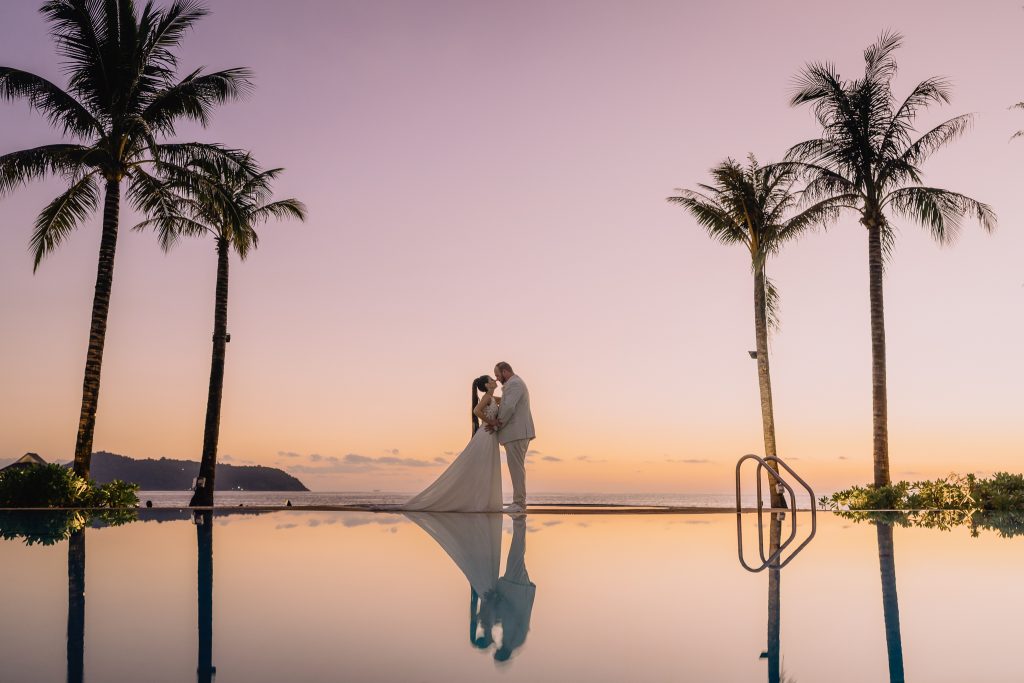
Thailand
Buddhist Weddings
Monk blessings and Thai ceremonies, filmed with respect
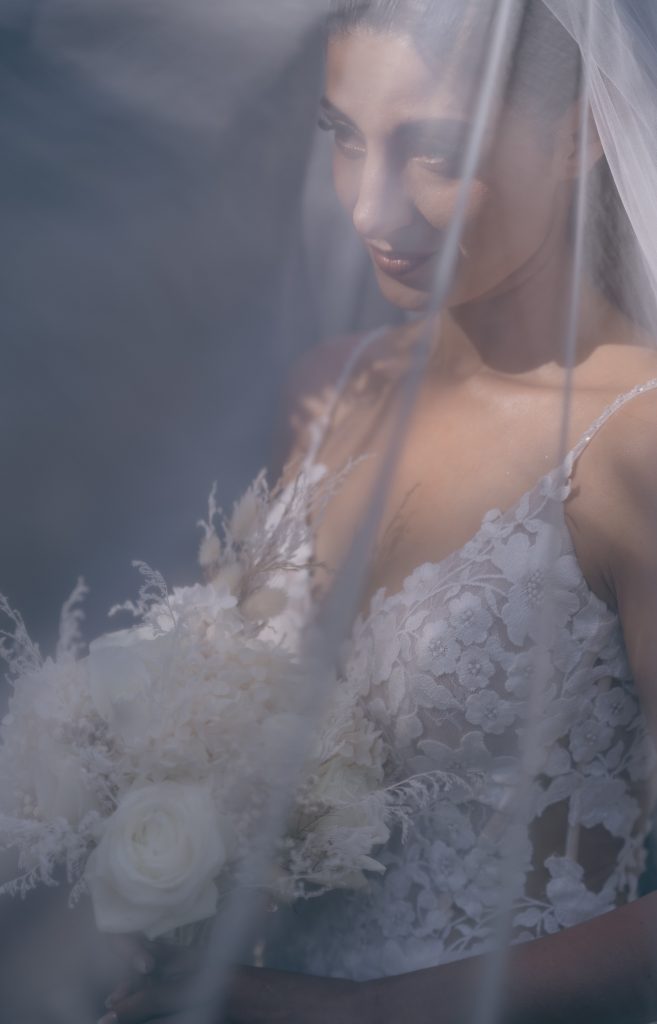
Thailand Buddhist wedding photography and videography
A Thai Buddhist wedding is quieter and more ritual-based than the beach ceremonies most visitors picture. Monks chant, families make offerings, and the couple takes part in a series of small, symbolic steps. Some are formal, a few are playful, and most are over faster than you’d expect. If you’re planning one, or including a Thai blessing in a bigger day, the main question is how to document it without getting in the way.
I’ve documented Buddhist ceremonies in Thailand as part of 700+ weddings across the country since 2011. You can watch one of my Buddhist wedding films on this page, and if you’re looking for a Thailand wedding videographer, I offer a free price quote. Just get in touch.
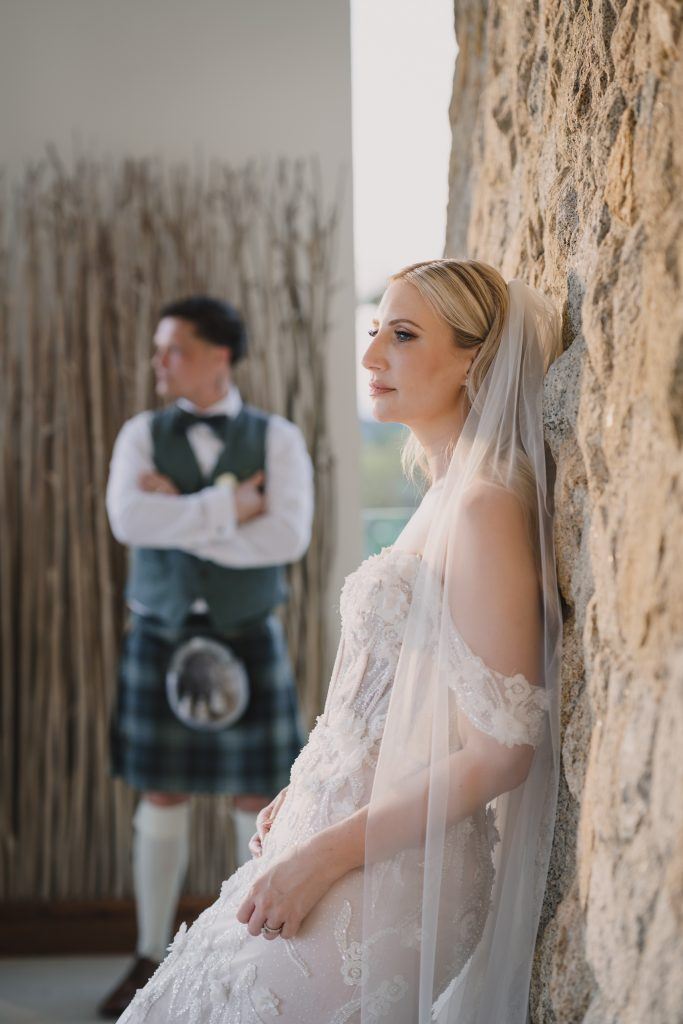
Watch the film
A Thai Wedding Film at Jivana Villa
Grazilla + Samba Thailand Wedding @ Jivana Villa

What happens at a Thai Buddhist wedding ceremony
Every family and every temple does things in its own way, and the order below can change. Ask your family, officiant or planner what applies to you. These are the elements I’m asked to photograph and film most often.
Monk blessing and alms offering
A group of monks, often an odd number such as nine, arrives to chant blessings for the couple. Guests sit on the floor or low seats, and the couple offers food and other gifts to the monks. Because monks traditionally don’t eat after noon, this part is usually held in the morning. The chanting can last 20 to 40 minutes, but timing varies a lot, so ask your planner for the real schedule.
Holy thread and headbands
A white thread is often looped around the heads of the couple, connecting them to the monks’ blessings. In many Thai weddings, the couple also wears matching headbands, called mongkol. It’s a beautiful detail for close-up work, so I watch for the moment hands pass the thread along.
Water pouring
The couple’s hands are placed over a bowl or shell, and elders and guests pour blessing water over them in turn. It’s warm, a bit chaotic, and full of good expressions. I stay low and to the side, and I keep an eye on the line of guests so I can catch each blessing.
Procession, door games and dowry
In traditional Thai weddings, the groom’s family often arrives in a parade with gifts, and there are gates and games to pass before reaching the bride. Not every foreign couple includes this, but when they do, it’s a lively few minutes that is worth covering from more than one angle.
Respect and etiquette when shooting monks
Monks hold a special place in Thai life, and there are some simple rules. I dress modestly, remove my shoes when asked, and avoid pointing my feet at monks or a Buddha image. I also try to stay lower than the monks’ heads while they’re seated, which usually means kneeling or crouching. No flash during chanting, ever.
Women generally avoid touching monks or handing things directly to them, so offerings are placed on a cloth or passed through a man, depending on the temple’s custom. Share these points with your guests, and let the monks or a planner guide you at the venue. Thai ceremonies run on respect, and I take my cue from the family.
Light, heat and timing
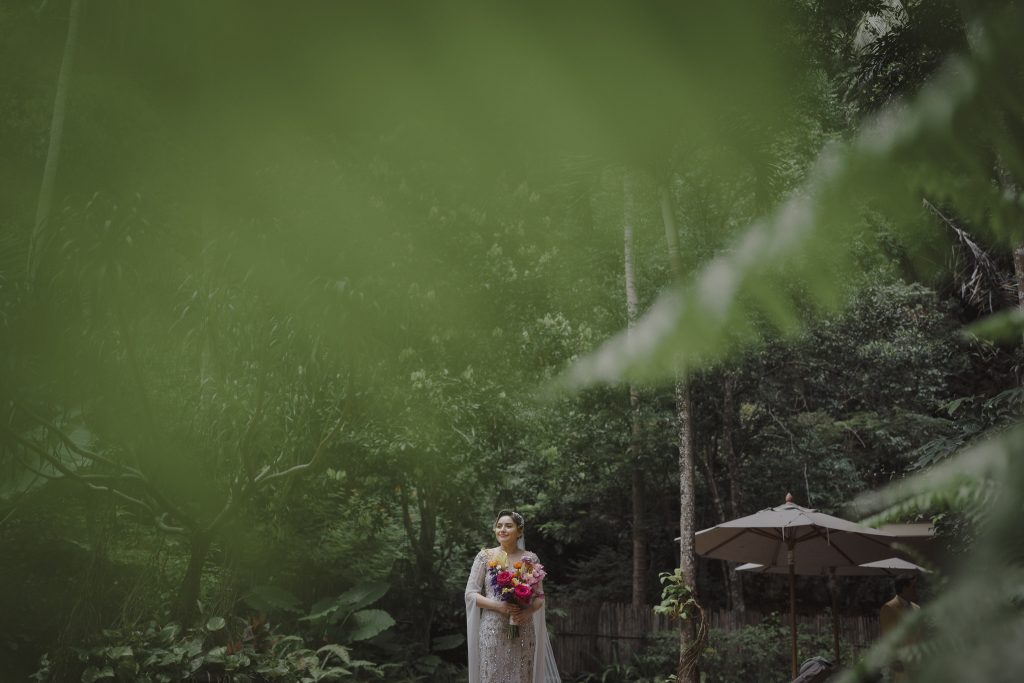
Because the monk blessing is often held in the morning, light can be great, with soft sun at a villa or garden, or tricky, in a small room with harsh windows. I check the space the day before. Fans, heat and incense smoke can also affect video and photos, so I try to plan lens and audio around them.
Thai ceremonies often run to an auspicious time that a monk or family elder chooses, so timing may be fixed. Build some buffer around it. If you’re adding a Western ceremony in the afternoon, see my Western destination wedding videography page for how I plan light around it.
Where I film Buddhist weddings
Many foreign couples hold a Thai blessing at a private villa or resort rather than a temple, which is simpler for guests. I’m based in Phuket and work on Koh Samui, in Krabi and in Bangkok. See Phuket wedding videography, Koh Samui and Krabi for local detail.
The film on this page is Grazilla + Samba’s Thailand wedding at Jivana Villa. For more films in other styles, visit Thailand wedding videography. If you’d like photographs too, my Phuket wedding photography and Koh Samui wedding photography pages show the approach.
Frequently Asked Questions
Do you film Thai Buddhist weddings in Thailand?
Yes. I’ve documented Buddhist ceremonies as part of 700+ weddings across Thailand since 2011. I film and photograph the monk blessing, holy thread, water pouring and the other rituals your family includes. You can watch an example on this page.
How long does a Thai monk blessing take?
It varies by temple, monks and family. In my experience the chanting and offerings can take from about half an hour to an hour or more. Ask your planner or officiant for a realistic timeline, then add a buffer.
What should guests wear to a Thai Buddhist ceremony?
Modest clothing with shoulders and knees covered, and neat colours (many people avoid black, which is associated with mourning). Check with your family or planner, because customs vary. You’ll usually take shoes off at the entrance.
Can women hand things to monks?
Women traditionally avoid direct contact with monks, so offerings are passed via a cloth or a man. Practice differs between temples, so let the monks’ assistant or your planner brief everyone before the ceremony.
Can I combine a Thai Buddhist blessing with a Western ceremony?
Yes, and many couples do. The monk blessing tends to be a morning event, while a Western ceremony runs in late afternoon light. I can plan the day around both, and the Western wedding videography page explains my approach.
How do I get a quote for filming a Buddhist wedding?
Send your date, venue and plans through the contact page or message me on WhatsApp. I reply within 24 hours with availability and a free price quote for photography, video or both.
Get in touch
Planning a Thai Buddhist wedding?
Tell me the date, the venue and which rituals your family would like to include. I’ll reply within 24 hours, and we can talk through the schedule on a call. I limit my work to 25 weddings a year, so it’s worth asking early.