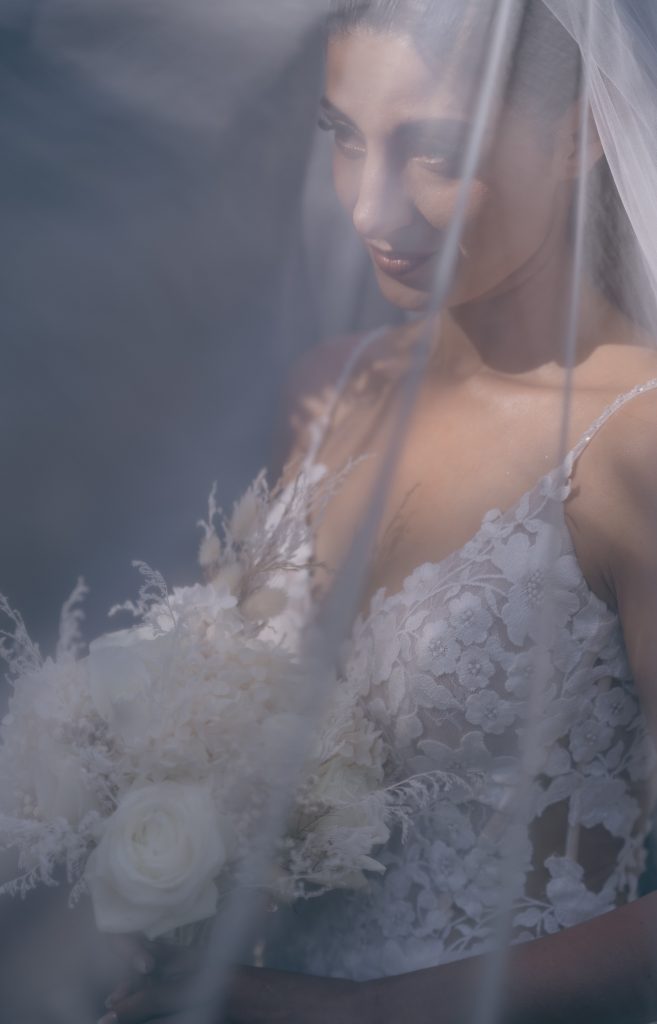
Chuppah, ketubah and hora
Jewish Weddings in Thailand
A Jewish ceremony under the Thai sky, documented with care

Jewish weddings in Thailand: what to expect
Jewish weddings are joyful wherever they happen. In Thailand, you get a chuppah on a beach or villa lawn, warm weather, and a guest list that has often travelled a long way. It also means a bit more planning, because some of the things a community back home provides, such as a rabbi, kosher food or a minyan, may need to be arranged in advance.
I photograph and film Jewish weddings as part of my work across Thailand. This page covers how a ceremony tends to run, how it differs across Jewish communities, and the practical side of planning one here. Your rabbi and family have the final say on the rituals, and I follow their lead.
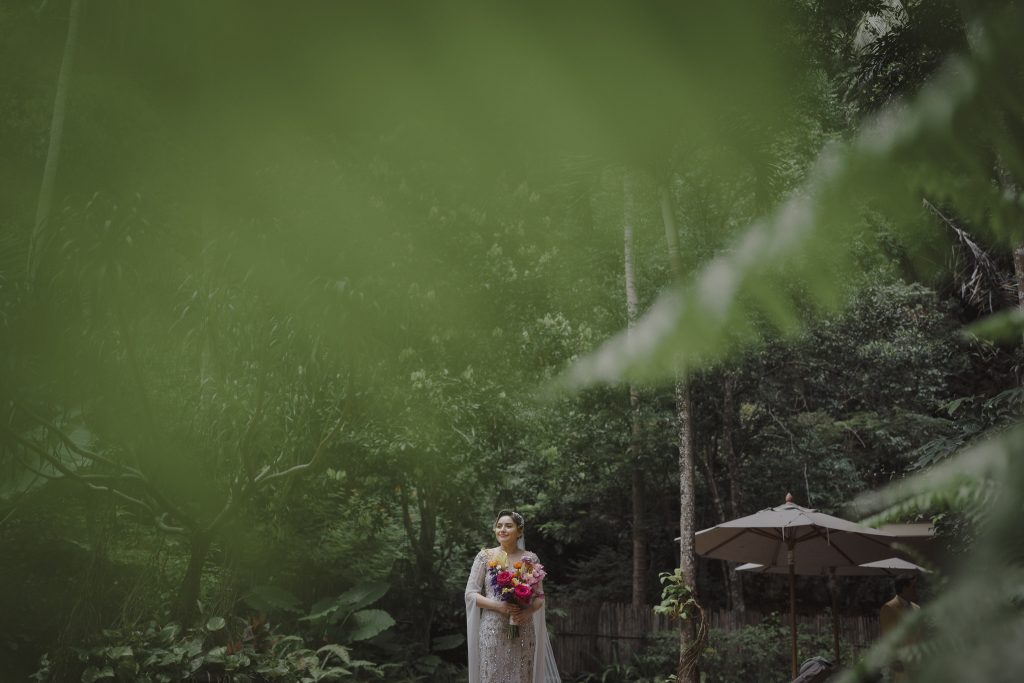
Watch the film
A Jewish Wedding Film from Thailand
Jewish Weddings in Thailand

Jewish life in Thailand
Thailand has a small Jewish community, mostly centred in Bangkok, with a growing number of Jewish residents and visitors on islands such as Phuket and Koh Samui. Over the years the country has become a destination for Jewish couples from Australia, the UK, the US and elsewhere, and rabbis and Chabad centres can often help with wedding arrangements. Ask early about who is available for your date and location.
Reform, Conservative and Orthodox Jewish weddings
Jewish weddings differ between communities, and that shapes how I work. A Reform or egalitarian ceremony can be flexible about who stands where and which customs are included. Conservative weddings usually keep more of the traditional liturgy. Orthodox weddings follow halacha closely, and may have specific rules about seating, modesty and what happens on Shabbat.
There are also Sephardic and Mizrahi customs, which differ again, and some couples write their own ceremony. I’m not an authority on halacha, so I always ask the rabbi or officiant for the order of events and any restrictions on photography and video before the day. The rest of this page describes what I see most often.
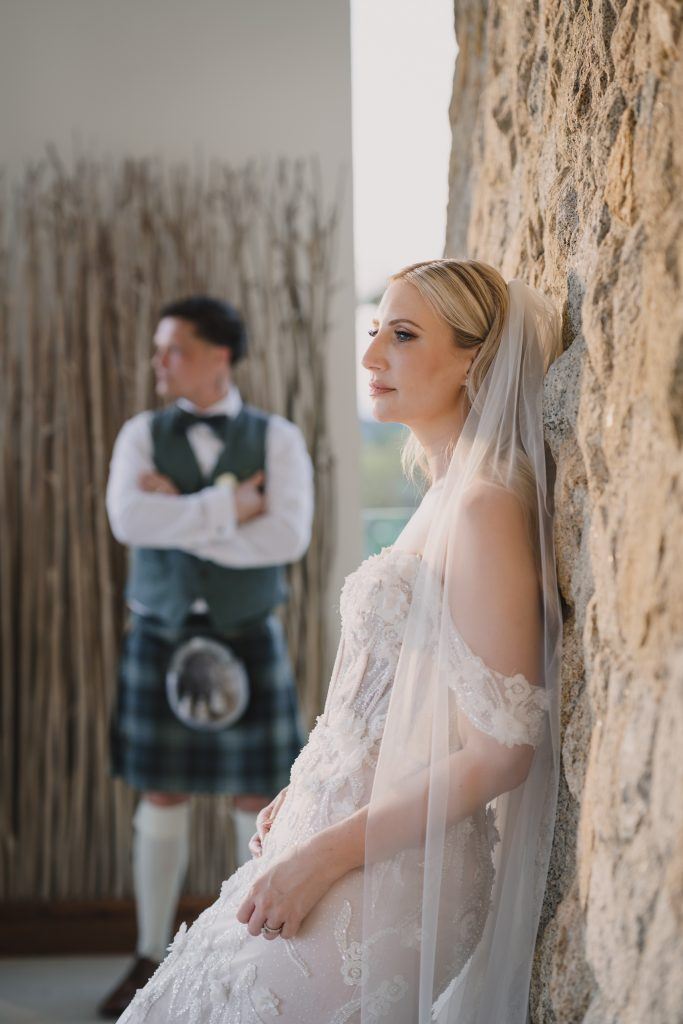
How I photograph and film a Jewish ceremony
A Jewish ceremony has a clear shape. If I know the sequence, I can be in the right place for each step without moving around the chuppah.
Before the ceremony: tisch, ketubah and veiling
Many couples start with a signing of the ketubah, the marriage contract, with two witnesses. There may be a tisch (a gathering around the groom) and a bedeken, where the groom veils the bride. These are intimate and emotional, and they happen in a small space, so I use natural light and stay close but quiet.
Under the chuppah
The chuppah is a canopy, often open on all four sides. I keep out of the sightlines of guests, and I choose a side that gives me both faces and the rabbi. Common elements include circling, the exchange of rings, the reading of the ketubah, the seven blessings (sheva brachot) and sharing wine. Ceremonies vary in length, from around 20 minutes to well over half an hour.
Breaking the glass and the celebration
The groom breaks a glass, guests shout mazel tov, and the room erupts. It’s fast, so I’m ready before the rabbi finishes. Afterwards, there may be a private moment for the couple (yichud), then the hora, where the couple is lifted on chairs. I move into the circle for those, and switch to wide shots for the dancing.
Light, heat and sound
Thailand is hot, and a rabbi in formal clothing under a chuppah in direct sun gets uncomfortable fast. I suggest scheduling the ceremony for later in the afternoon, roughly 90 minutes before sunset, which also gives you soft light for portraits. Sunset falls around 6pm year-round. For video, I plan audio early, because blessings in Hebrew need to be heard clearly.
For the full flow of a destination day, see my sample wedding day schedule and the Western destination wedding videography page, since many Jewish ceremonies share the same beach or villa setting.
Pros and cons of a Jewish wedding in Thailand
The pros are easy to see: warm weather most of the year, varied settings (beach, villa, jungle, resort). A destination wedding also gives your family a few days together.
The cons are practical. The Jewish community is small, so you may need to bring a rabbi, kosher food or ritual items from abroad, which adds cost. Some traditions may be hard to carry out because of resources or local rules. Weather can be a factor too, especially in the wet season. A good planner helps here, and you can find options through Phuket wedding planners.
How to plan a Jewish wedding in Thailand
A few steps make the biggest difference.
- Find a venue that is comfortable hosting a Jewish ceremony. Options exist in Bangkok, Phuket and Koh Samui, including private villas and resorts.
- Hire experienced vendors, and ask for recommendations from couples who have married in Thailand.
- Confirm the rabbi or officiant early, along with any requirements about kosher catering, a minyan or dates (many couples avoid Shabbat and Jewish holidays).
- Plan ahead. Contact the venue and vendors well in advance to confirm dates.
- Book your photographer and videographer early. I take a maximum of 25 weddings a year.
Frequently Asked Questions
Have you photographed and filmed Jewish weddings in Thailand?
Yes. I’ve photographed and filmed Jewish ceremonies in Thailand as part of my 700+ weddings since 2011. You can see a film on this page. I always ask the rabbi for the order of events beforehand.
Can you photograph a wedding on Shabbat?
That depends on your community and rabbi. Many couples, especially Orthodox ones, avoid Shabbat and Jewish holidays and book the wedding for another day. If your ceremony is close to Shabbat, talk to your rabbi about what photography is allowed and tell me early.
Where can I find a rabbi for a wedding in Thailand?
Many couples bring their own rabbi, or ask Chabad or a local Jewish community for help. Availability depends on the location and date, so ask early. I can share what I’ve seen at other weddings, but I’m not a substitute for your own rabbi.
Is kosher catering available in Thailand?
Kosher catering usually needs advance planning, especially outside Bangkok. Speak to your venue and rabbi early, and ask whether food can be brought in or arranged by a specialist. I can’t certify food, so please check the details with your rabbi.
What time should a Jewish ceremony start in Thailand?
Late afternoon, around 90 minutes before sunset, usually works best for comfort and light. Sunset is around 6pm all year. If the ceremony is at night or on a particular day, check the timing with your rabbi first.
Do you film the hora and the chair lift?
Yes. I move close for the hora and the lifting of the couple, and then shoot wide to capture the whole circle. Tell your guests to leave a clear space, and I’ll take care of the rest.
Get in touch
Planning a Jewish wedding in Thailand?
Send me the date, venue and the traditions you’re including through the contact page or on WhatsApp at +66 84 558 0420. I reply within 24 hours, and we can go through the day together on a call. See my Thailand wedding videography for films.